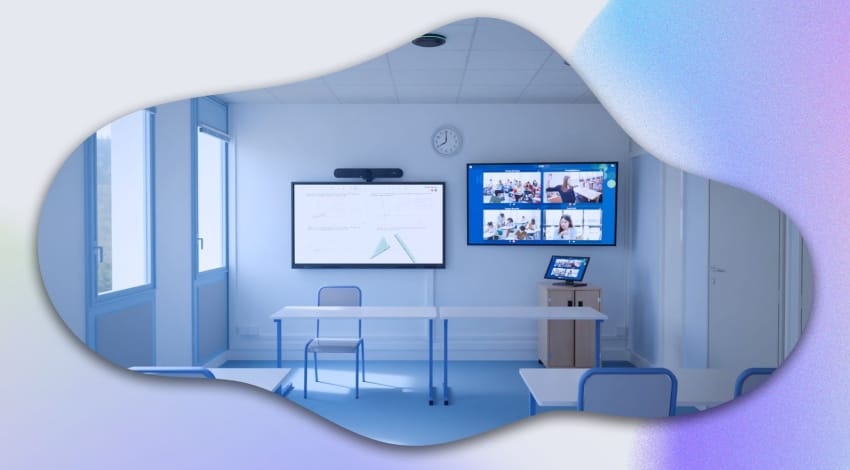

Explicit instruction is a teaching method known for its effectiveness. The French Scientific Council for Education (CSEN) treats it as synonymous with “effective teaching” and highlights its simple-to-complex approach, which requires understanding the skills involved in each concept.
This teaching approach stands out as a structured method aimed at optimizing classroom learning. Grounded in clarity and a methodical progression of lessons, explicit instruction promises to maximize student comprehension and retention through well-defined techniques.
At the same time, it addresses the challenges of behavior management in the classroom, with strategies for maintaining order and fostering a positive classroom dynamic. In this article, Kalyzée explores the principles, effectiveness, and implications of explicit instruction, while also looking at its origins and its impact compared with other contemporary teaching methods.
Origins of explicit instruction
The explicit method has its roots in the work of Siegfried Engelmann in the 1960s, who, along with Douglas Carnine, developed “direct instruction,” the precursor to explicit instruction. Later research by Barak Rosenshine formalized this approach, grounding it in cognitive psychology and confirming its effectiveness in studies such as the “Follow Through” project.
Methodological features of explicit instruction
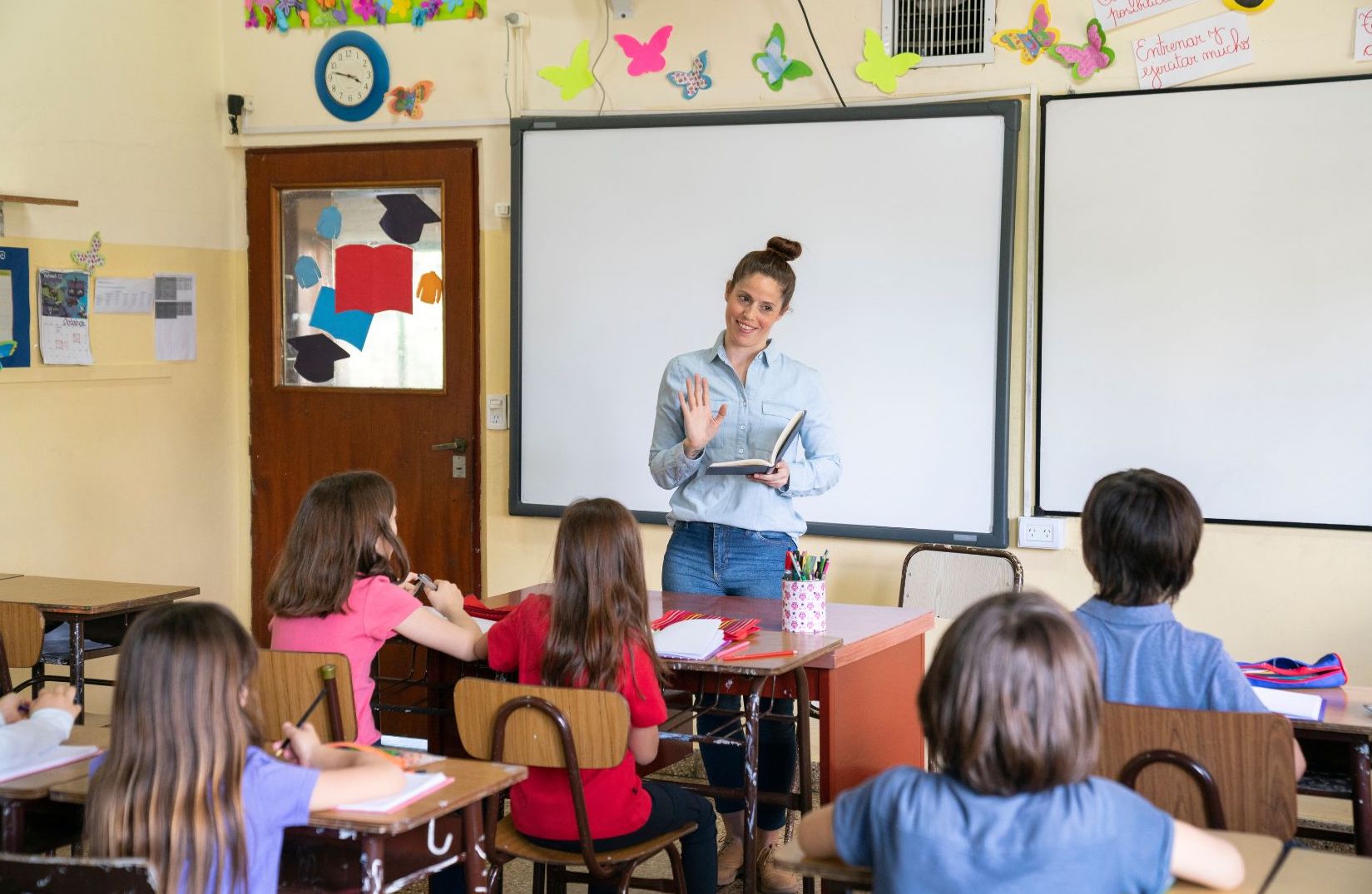
Explicit instruction is characterized by three phases: modeling, guided practice, and independent practice. Each step is designed to reinforce skills, with the teacher modeling the actions, assisting during practice, and then letting students practice independently. This ensures mastery and automation of knowledge.
Here are the different steps to follow to get started with explicit instruction:
| Step | Key actions |
| Setting the stage | – Present the learning objectives and clarify the concepts. – Activate prior knowledge, assess how well it’s been acquired, and adjust if needed. |
| Learning experience | Modeling: The teacher performs the task, uses examples, and explains their reasoning. Guided practice: Students practice the task with the teacher’s support and feedback. Independent practice: Students practice on their own to master the task. |
| Consolidation | – Extract and name the key concepts learned. – Summarize and consolidate what’s been learned in various formats such as tables or diagrams. |
Ethics and behavior management in the explicit instruction method
Beyond knowledge acquisition, explicit instruction is also applied to effective behavior management, where it’s recommended to use systems of rewards and consequences to encourage desired behaviors. That said, this method raises ethical debates, with a risk of behavioral manipulation that could undermine students’ intrinsic motivation.
When to use the explicit method
While the explicit instruction method is effective for basic skills and easy to assess scientifically, it’s less well suited to complex skills that require more nuanced approaches. Researchers such as Vincent Carette have noted that while explicit instruction works well for simple tasks, it’s not enough on its own to address the challenges of cross-cutting skills or knowledge transfer.
Future outlook and introducing other methods
Explicit instruction, while effective in certain contexts, shouldn’t be seen as the only valid method. Learning requires combining various teaching methods to meet the full range of educational needs.
What matters is training teachers in a solid pedagogical culture, so they can adapt to current and future societal challenges, while staying critical of current trends in education.

With that in mind, other teaching methods deserve closer exploration. We’re particularly thinking of active learning methods described in this article, as well as other approaches such as flipped classrooms. These flip the traditional teaching model by having students prepare beforehand, at home, for example through readings or videos, and then apply that knowledge in class through discussion and hands-on activities. This type of approach encourages student autonomy and active participation, and can be particularly effective for handling complex skills.
To go further in understanding explicit instruction, we recommend reading the very thorough booklet on the method published by the Académie de Créteil, or “Efficacité de l’enseignement: l’exemple de l’explicit instruction” by Céline Clément.
Happy reading.