Are you looking for an audiovisual integrator? Looking to renovate one of your rooms? Create a connected lecture hall? Set up a hybrid meeting room? Give your staff the ability to hold a video conference? You’re in the right place. To get the most out of your audiovisual setups, it’s important to choose the right provider from the start. These professionals play an essential role in the installation and maintenance of your audiovisual systems.
But how do you choose? This article will give you the keys to picking your future audiovisual integrator with a discerning eye! To go further and help you design your audiovisual system, Kalyzée has listed the different French audiovisual integrators for you.
Understanding the Role of an Audiovisual Integrator
Audiovisual technology holds an important place in society today. Whether in a professional, educational, or even leisure setting, audiovisual systems are everywhere and play an essential role in our daily lives.
Conference rooms, cinemas, sports stadiums — behind every audiovisual installation is an integrator. These professionals work behind the scenes to create and maintain these complex systems.
What Is an Audiovisual Integrator?
An audiovisual integrator is an expert specialized in the design, installation, configuration, and maintenance of audiovisual systems. These systems can include elements such as screens, projectors, sound systems, cameras, live broadcasting equipment, video conferencing solutions, and many more. The audiovisual integrator is the project lead who orchestrates all these components to create a smooth, immersive, and highly effective audiovisual experience.
The Benefits of an Audiovisual Integrator
Why should you turn to an integrator for your audiovisual equipment needs? Here are the key benefits they can bring you:
Technical expertise:
An integrator’s expertise doesn’t stop at installing the system. They have deep knowledge of equipment, innovation, and technology. That means they’ll help you choose the best technical solutions. They’ll take into account interfaces, equipment sourcing, commissioning, system integration, and more. They’ll be the technical support you need for your project.
Customizing your setup:
Every project is unique. An audiovisual installation requires a thorough study of the client’s actual needs. By working together with the technical team, you’ll get an individualized, tailor-made, custom installation. What’s more, the integrator is also a reseller of a wide range of solutions and software, whose specifications they know inside out. That means they’ll handle hardware and software sourcing for your audiovisual projects.
Professional installation:
Installing the technical components, cabling, and configuring the equipment is no small task. It’s often essential to call on an audiovisual integrator, who will have the technical skills you’re missing. These professionals are trained to carry out installations in all types of environments. Believe it or not, running a 5-meter cable takes real professional expertise!
Seamless Integration:
A good audiovisual integrator makes sure all the components of the installed system work together. For example, in a connected meeting room, you can go from a simple PowerPoint presentation to a video conference in one click. The audiovisual integrator makes your setup easy to use by taking the technical hassle off your hands. To do this, they might install an Extron system, for example, and take care of the wiring and configuration!
Ongoing Maintenance and Support:
Audiovisual integration doesn’t stop at the initial installation. They also offer maintenance and support to keep your system running smoothly and effectively over time. Maintenance is an extra cost to factor in on top of the initial installation costs.
The services offered by audiovisual integrators
Now that you know the role and importance of audiovisual integrators, let’s take a closer look at the different services they offer. Whether you’re looking to renovate a conference room, modernize a classroom, an auditorium, or even set up a home cinema at home, the audiovisual integrator will be there to meet your needs. Integrators also often offer audiovisual equipment rental to round out their services.
1. Advice and Consultation
The first step of your project is crucial: define your goals and requirements. Do you want to renovate a lecture hall? Create a home cinema? Install large screens? Rework a room’s acoustics? Add meeting rooms? Clearly define how you’ll use your setup. Audiovisual integrators generally start their projects with an in-depth consultation phase. They’ll ask you usage questions, such as the number of users, frequency of use, connectivity needs, your budget constraints, and so on. Based on your answers, they can put together a solution suited to your project.
2. System Design
Once the project is clearly defined, the audiovisual integrator moves on to designing your system. This involves choosing the equipment, defining the layout, planning the cabling, and harmonizing the overall system. Designing the system and the wiring diagrams is a crucial step, and one of the integrator’s real value-adds. Only a genuine audiovisual expert can handle this step for a complex installation. This is also the stage where the integrator will propose the equipment they plan to use. They work in partnership with suppliers of microphones, tablets, mixers, projectors, cameras, touchscreens, and more. So they’re well positioned to source the equipment you’ll need.
Example wiring diagram 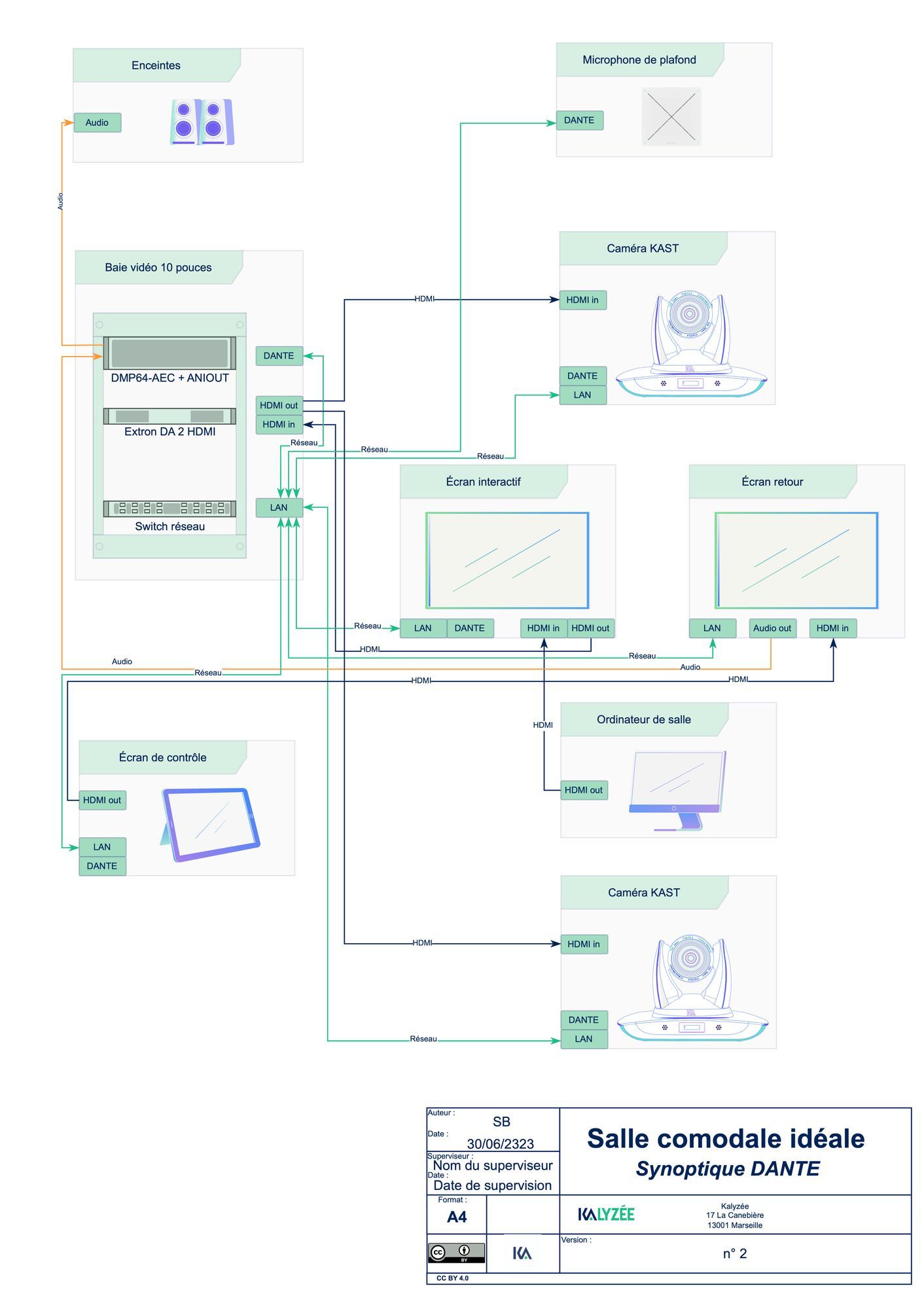
3. Professional Installation, Programming, and Configuration
After the design phase, the audiovisual integrator installs the system. This step includes mounting the equipment, configuring the devices, setting up cameras, a control room, sound, and the control equipment the user needs. They then configure the entire system, making sure everything is set up to meet your needs.
4. Training and Customer Support
The audiovisual integrator can also provide training on how to use the system. Note that this step isn’t automatic and needs to be agreed on in advance. They’ll make sure you can get the most out of your brand-new audiovisual equipment. Audiovisual integrators generally also provide ongoing customer support. They can answer your questions or resolve any issues you run into.
5. Maintenance and Updates
Finally, audiovisual integrators handle long-term system maintenance. A maintenance contract is usually signed as part of the project, covering system updates and improvements over time.
Whether you’re planning a small video conferencing system or a complex audiovisual installation in a large convention center, a good integrator will be there to guide you through every step of the project.
How do you choose the right integrator?
Now that you have a clear picture of all the services integrators offer, here’s a list of criteria not to overlook when choosing. It’s very important to check them one by one to avoid unpleasant surprises…
1. Experience and Expertise
First, check their level of expertise and their past experience. How many years of experience do they have in audiovisual integration? Have they worked on similar projects in the past? The more experienced your audiovisual integrator, the better positioned they’ll be to offer you the ideal solution.
2. Reputation and References
These days, you can find everything online! Check online reviews, ask the audiovisual integrator for references, and contact past clients if possible. A good reputation is a key indicator of the quality of service provided. Reputable audiovisual integrators will be proud to share examples of successful projects and put you in touch with satisfied clients.
3. Certifications
If you already have a specific idea of the equipment or software you want to use, check the audiovisual integrator’s certifications. Many companies in the audiovisual sector are certified by specific equipment manufacturers, which guarantees they’re trained and qualified to work with those products. Most often, integrators offer their clients a fairly similar range of equipment, adapting certain points based on the project.
4. Ability to Understand Your Needs
A good audiovisual integrator needs to be able to understand your needs. They should listen closely to your goals, your budget constraints, and your expectations. The more your provider is able to tailor the solution, the better. Don’t hesitate to share your requirements on each point: control system, control panel, audio, automation, monitors, collaboration, interactivity… And ask for as much detail as possible on the proposed solution and how it works.
6. After-Sales Service
Your relationship with the audiovisual integrator doesn’t end once installation is complete. An annually billed after-sales service is usually included in the project. This service includes regular maintenance, technical support in case of issues, and future updates. Factor in these essential “hidden” costs.
7. Location
You’ll have a hard time working with an integrator from a different region than yours. As you can imagine, an integrator’s work requires being on-site! National integrators split the market across the different French regions. There are audiovisual integrator companies all over France, so look for one in your region!
If you take all these criteria into account, you should be able to choose a qualified audiovisual integrator that’s a perfect fit for your project!
Case Studies:
To show concretely how audiovisual integrators can turn concepts into reality, let’s look at a few real case studies. These examples come from Kalyzée system installations deployed at our clients’ sites with the help of various integrators.
Case Study 1: Classrooms at the Heart of the Amazon
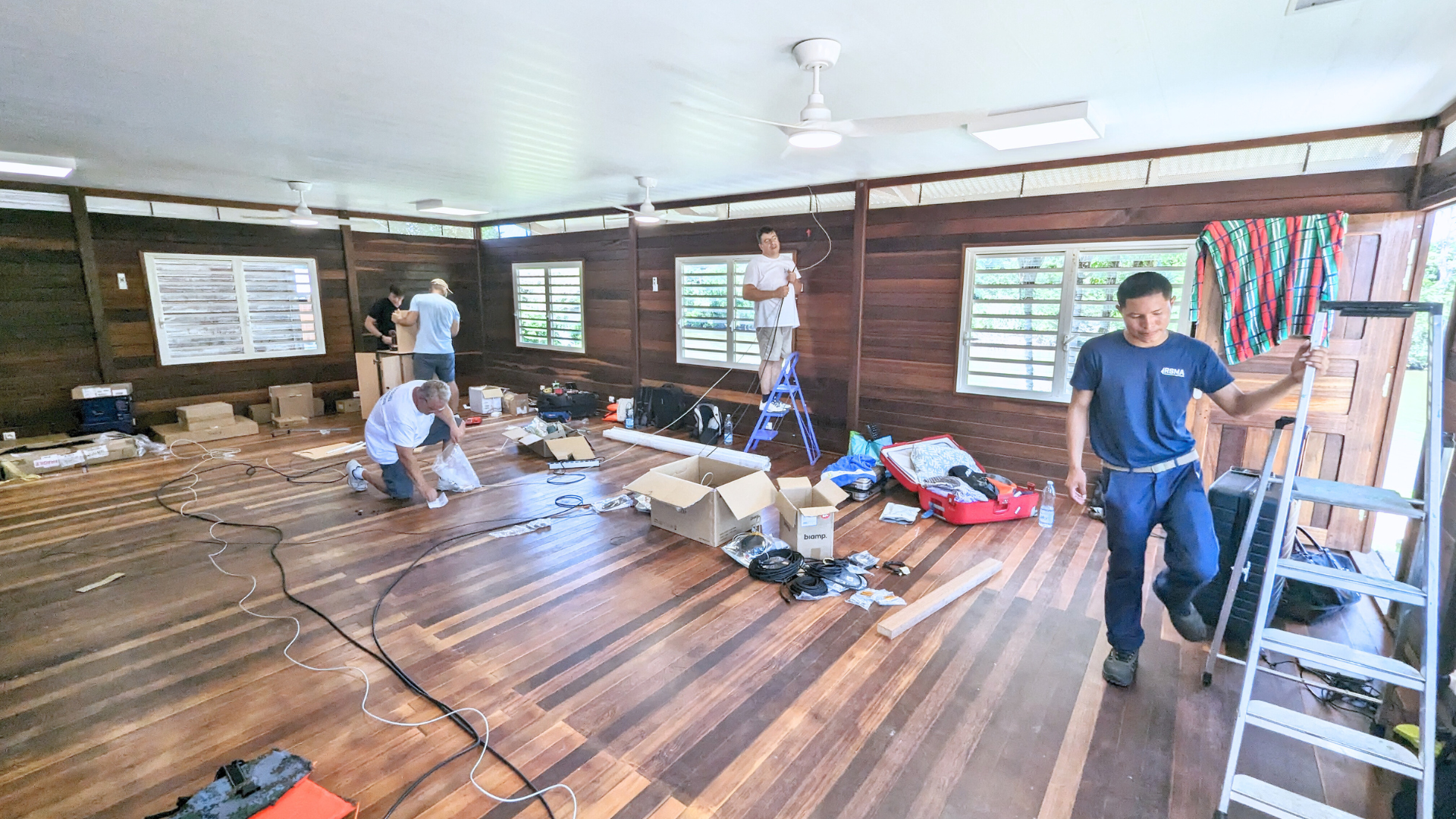
Client: A secondary school in French Guiana
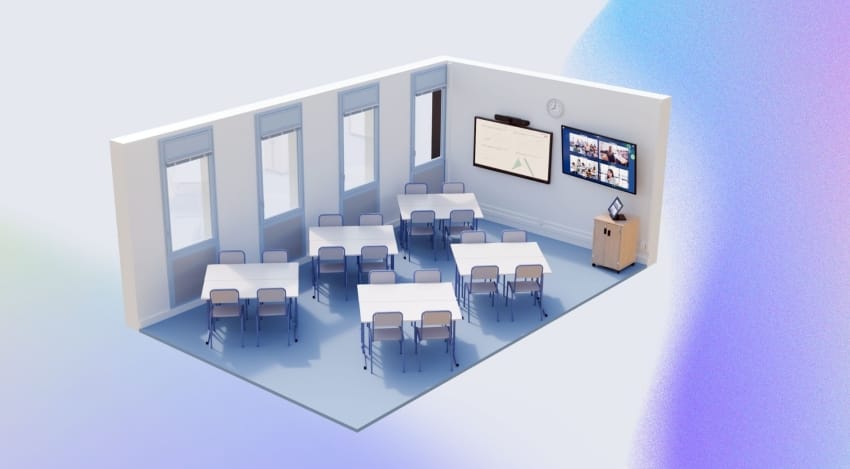
Remote classrooms were created in isolated villages in French Guiana. In these rooms, students can follow remotely the classes taught at the nearest secondary school. For this project, the audiovisual integrator installed cameras, an interactive screen, a sound system, and a confidence monitor in each of the connected rooms. Students can now continue their schooling in their home village, thanks to state-of-the-art technology designed by Kalyzée.
Case Study 2: Multi-Purpose Room
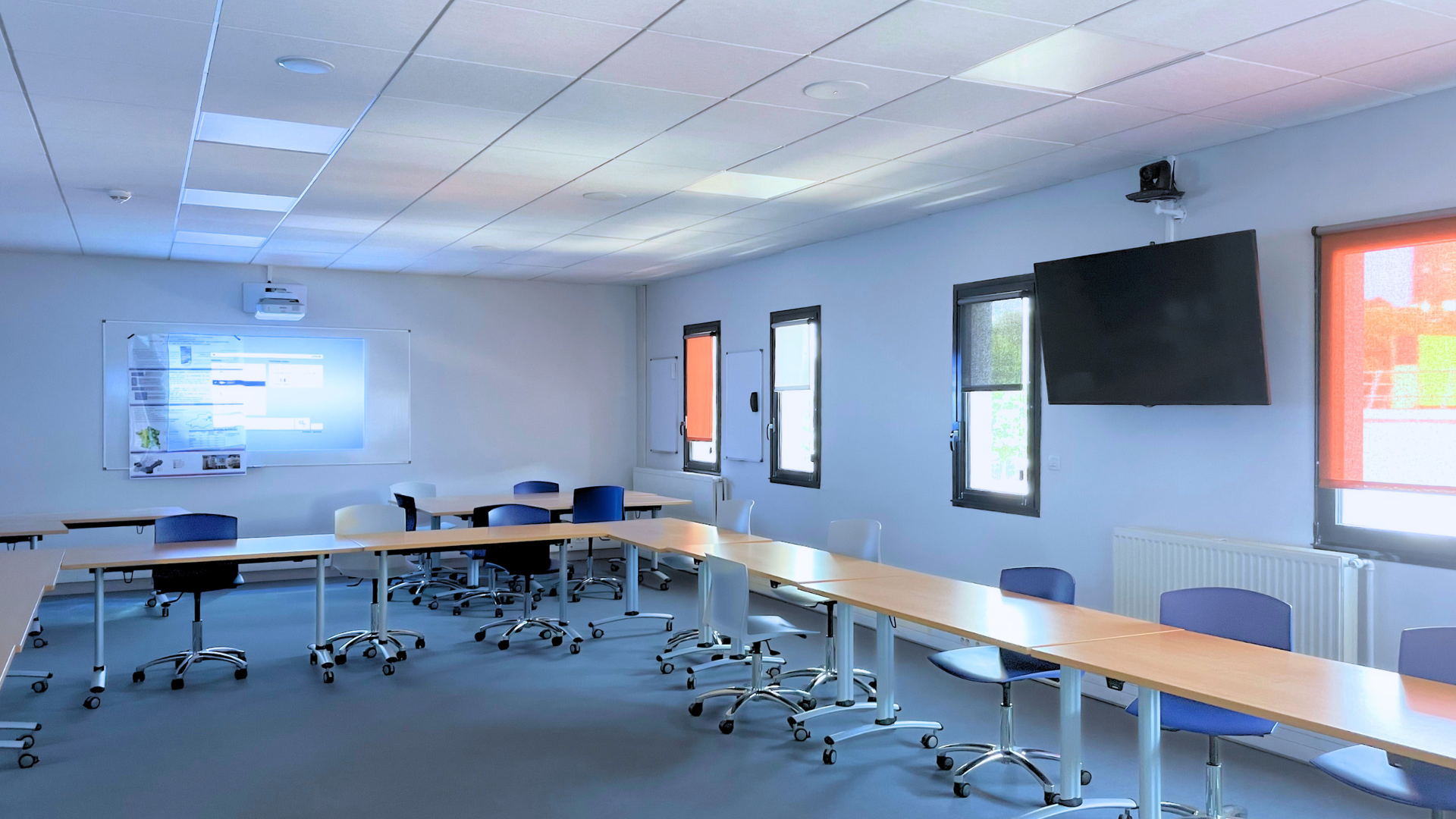
Client: A university
Creation of a multi-purpose room that can host meetings, workshops, or classes alike. An interactive projector is connected to the video capture system. That way, when recording or broadcasting live, the video includes both the image of the speaker and their presentation materials.
Case Study 3: Multi-Function Conference Center
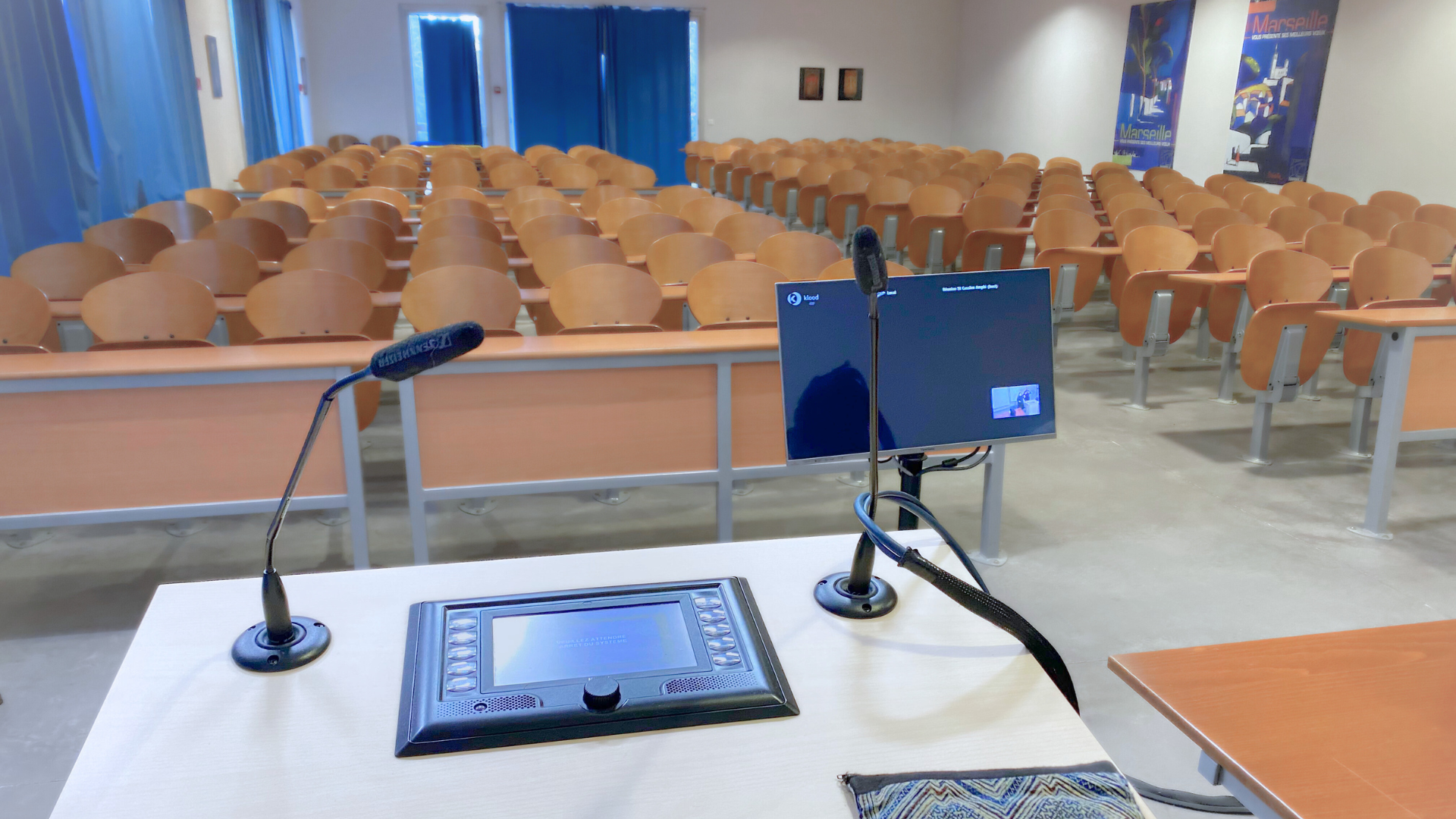
Client: A conference and exhibition center
The conference center needed versatile audiovisual systems to host a wide variety of events and conferences. The solution is modular, with flexible screens, adjustable sound systems, and a flexible cabling infrastructure. This lets the center meet different needs, delivering a high-quality experience for every event.
Going without an integrator is also an option
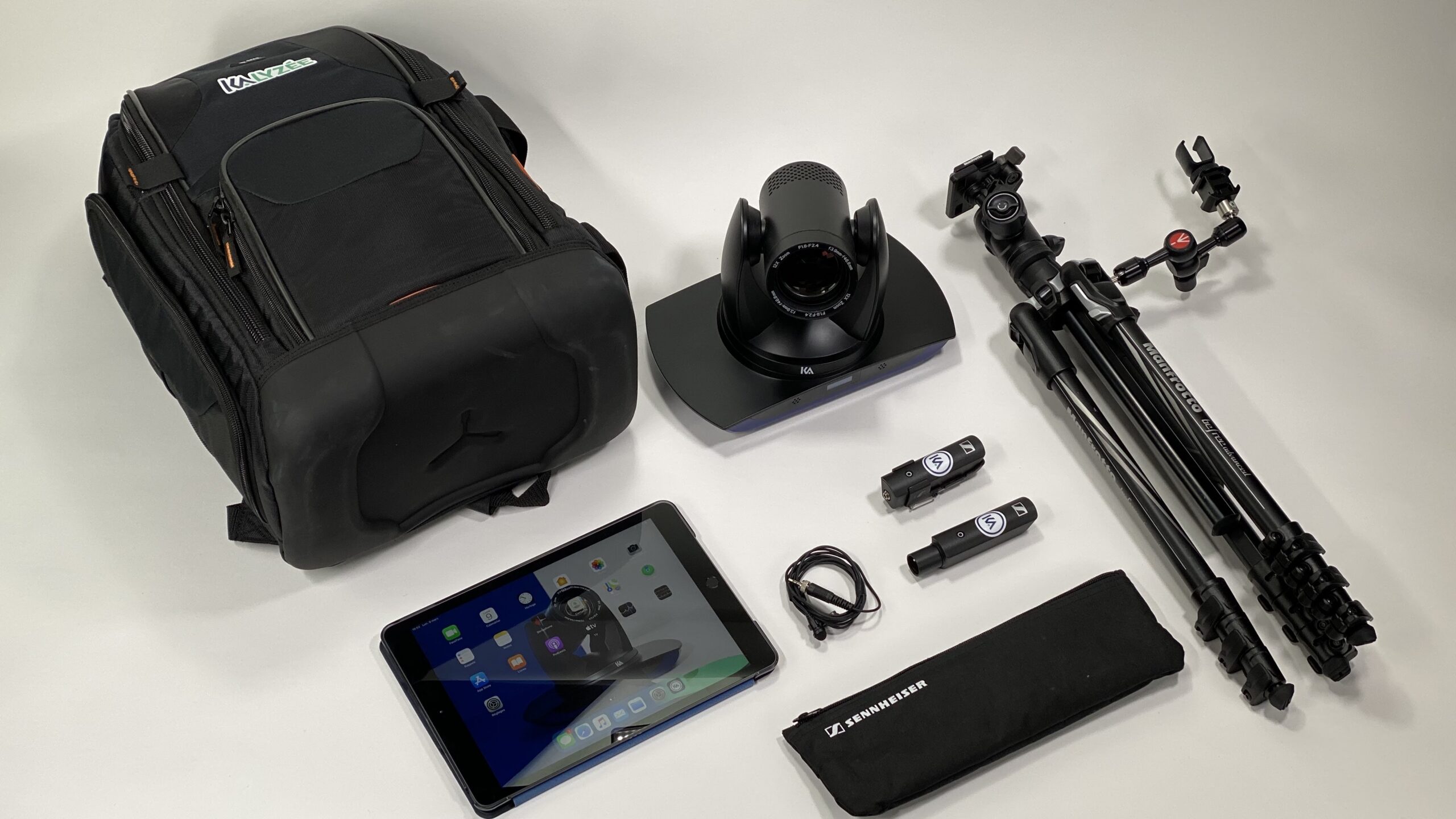
Have an audiovisual project but no budget for a complex room installation? Kalyzée has thought of everything. With the Kast Revolt camera, forget fixed installations and go for a mobile, easy-to-use solution for professional-quality video at a lower cost!
See you soon.